
Reddybook Platform Explained – Full Overview & Guide
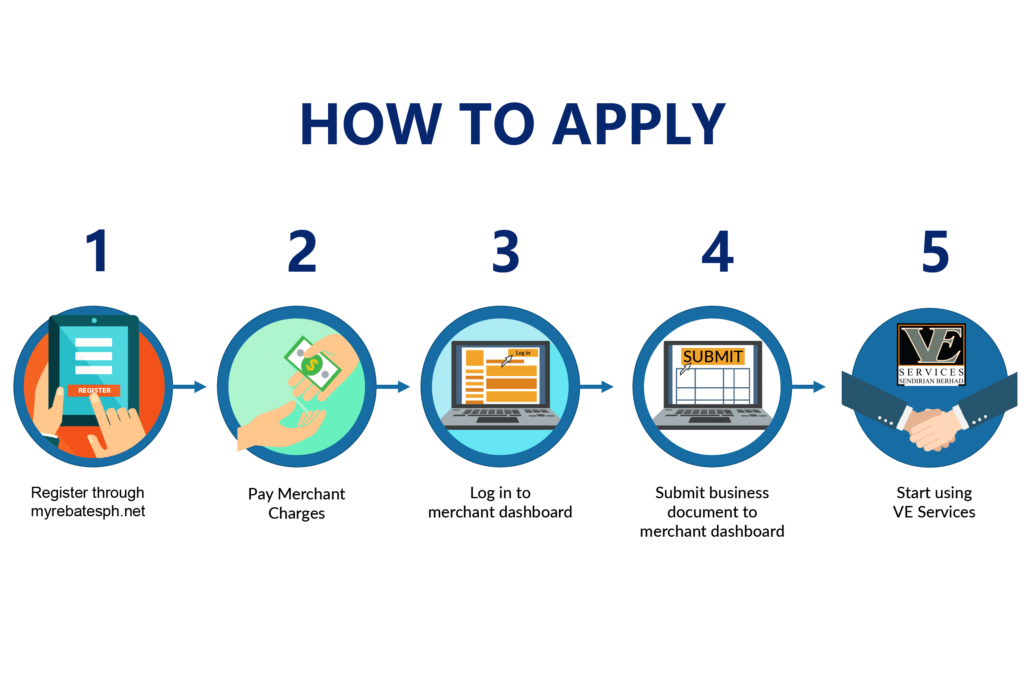
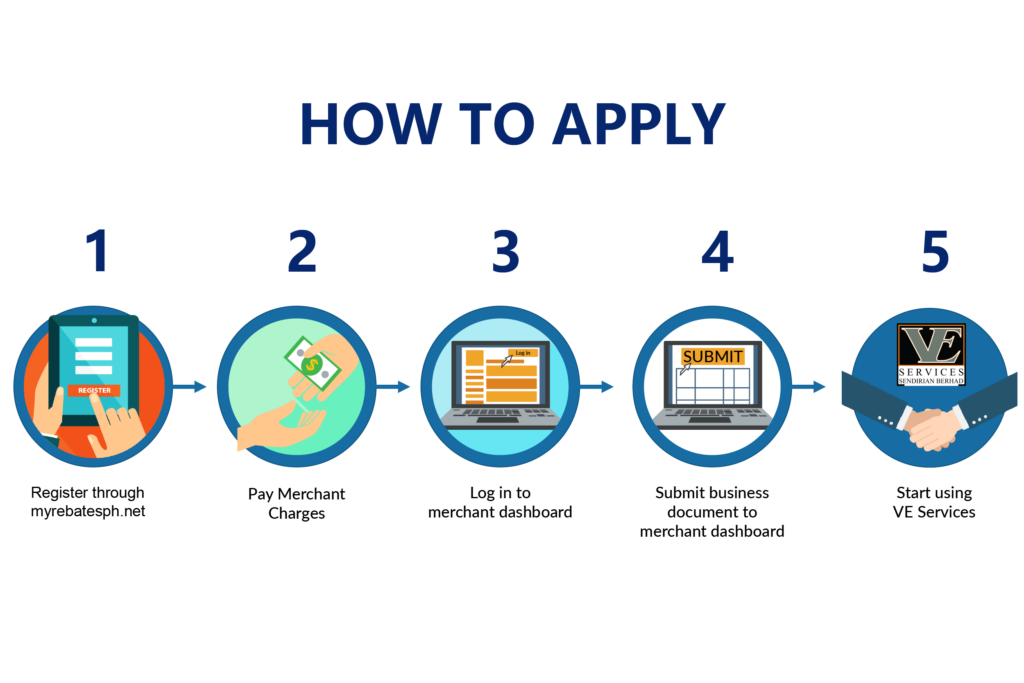
Introduction The digital marketplace for books, articles, and multimedia content has grown exponentially over the past decade. Among the emerging solutions, the Reddybook platform distinguishes itself by offering a unified ecosystem for authors, publishers, and readers. This article provides a detailed, professional exploration of Reddybook, covering its architecture, core functionalities, security framework, pricing structure, and practical use cases. Whether you are a seasoned publisher looking to expand distribution or a newcomer seeking an intuitive publishing tool, this full overview will help you understand how Reddybook can fit into your workflow. What Is Reddybook? Reddybook is a cloud‑based publishing platform that enables creators to upload, manage, and monetize digital content across multiple formats—e‑books, PDFs, audio narratives, and interactive media. Built on a scalable micro‑services architecture, the platform supports high‑volume transactions while maintaining low latency for end‑users. Its primary value proposition lies in the seamless integration of content management, payment processing, and analytics within a single dashboard. Core Architecture and Technology Stack At the heart of Reddybook is a modular design that separates concerns into distinct services: Content Service: Handles storage, conversion, and delivery of various file types using Amazon S3 and CDN nodes worldwide. Transaction Service: Manages payments, subscriptions, and royalty calculations with PCI‑DSS compliance. Analytics Engine: Provides real‑time insights on sales, readership demographics, and engagement metrics via Apache Kafka and Spark. User Management: Implements OAuth 2.0 for secure authentication and role‑based access control. This separation allows developers to update individual components without disrupting the entire system, ensuring high availability and rapid feature rollout. Key Features for Creators Reddybook equips authors and publishers with a suite of tools designed to simplify the publishing journey: Flexible Formatting: Upload source files in DOCX, EPUB, or PDF; the platform automatically generates optimized versions for web, mobile, and e‑reader devices. Dynamic Pricing Engine: Set fixed prices, time‑limited discounts, or Tiered royalty structures based on geographic regions. Integrated Marketing: Leverage built‑in email campaigns, social media connectors, and affiliate programs directly from the dashboard. Collaborative Workspaces: Grant editorial, design, and promotional permissions to team members, with version control and audit trails. These capabilities reduce reliance on third‑party services, centralizing the entire publishing lifecycle within Reddybook. Reader Experience and Interface The platform’s front‑end is designed for seamless consumption. End‑users can browse a curated marketplace, preview content with interactive samples, and purchase with a single click. Post‑purchase, the content syncs across devices via the Reddybook reader app, which supports offline reading, bookmarking, annotation, and text‑to‑speech for accessibility. The responsive UI adapts to browsers, tablets, and smartphones, delivering a consistent experience regardless of device. Security and Compliance Security is a cornerstone of the Reddybook ecosystem. The platform employs end‑to‑end encryption for data in transit (TLS 1.3) and at rest (AES‑256). Multi‑factor authentication (MFA) is mandatory for all administrator accounts, while user sessions are monitored for anomalous activity using AI‑driven threat detection. In addition, Reddybook complies with GDPR, CCPA, and local data‑sovereignty regulations, providing creators with the confidence that personal and financial data are protected. Monetization Models Reddybook supports several revenue streams, enabling creators to diversify income: Direct Sales: One‑time purchases with configurable royalty splits (e.g., 70/30 for author/publisher). Subscription Packages: Bundle multiple titles into a monthly subscription, ideal for series or niche collections. Pay‑Per‑Read: Charge readers based on the number of pages or minutes accessed, suitable for academic journals. Advertising: Insert non‑intrusive banner ads within the reader interface, with revenue shared proportionally. Each model can be combined or toggled per title, offering granular control over pricing strategies. Pricing Plans for Publishers Reddybook offers tiered subscription plans designed to accommodate both indie authors and large publishing houses: Plan Monthly Fee Features Starter $19 Up to 5 titles, basic analytics, email support Growth $79 Unlimited titles, advanced analytics, API access, priority support Enterprise Custom Dedicated account manager, white‑label solution, SLA guarantees All plans include a transaction fee of 2.5% per sale, which is waived for Enterprise customers who meet predefined volume thresholds. Onboarding and Getting Started The onboarding workflow is intuitive. New users create an account, verify identity through a KYC process, and then access the dashboard. From there, they can: Upload their first manuscript using the “Add New Title” button. Configure metadata (title, author, ISBN, tags) and set pricing options. Select distribution channels—Reddybook marketplace, partner libraries, or external storefronts via API. Publish and monitor performance through real‑time dashboards. For those who need assistance, Reddybook offers comprehensive documentation, video tutorials, and a community forum. Users can also request a dedicated onboarding specialist. Case Study: Independent Author Success Consider the example of an independent author who released a fantasy novella through the platform. Using the Reddybook11 feature set, the author uploaded the manuscript, activated a limited‑time discount, and launched an email campaign to their mailing list. Within two weeks, the title generated 1,200 downloads, contributing to a 30% increase in the author’s overall royalties compared to their previous self‑publishing method. The built‑in analytics helped the author identify the most engaged geographic regions, informing future marketing spend. Case Study: Academic Publisher Integration A mid‑size academic publisher leveraged Reddybook’s API to integrate its existing journal repository with the platform’s payment gateway. By enabling the Reddy Anna Book module, the publisher offered pay‑per‑read access to individual articles, while maintaining institutional subscription bundles. The transition reduced the publisher’s operational overhead by 25% and increased article-level revenue by 18%, thanks to granular pricing and automated royalty distribution. Frequently Asked Questions Is there a free trial? Yes, Reddybook provides a 14‑day free trial of the Growth plan, allowing users to upload up to three titles and explore the full feature set. Can I migrate existing titles from other platforms? Absolutely. The migration tool supports bulk import of EPUB, MOBI, and PDF files, preserving metadata and sales history when available. How are royalties paid out? Royalties are calculated nightly and disbursed via ACH or PayPal on a monthly basis, with detailed statements available in the dashboard. Conclusion Reddybook emerges as a robust, all‑in‑one solution for modern publishing needs. Its scalable architecture, comprehensive feature suite, and strong security posture make